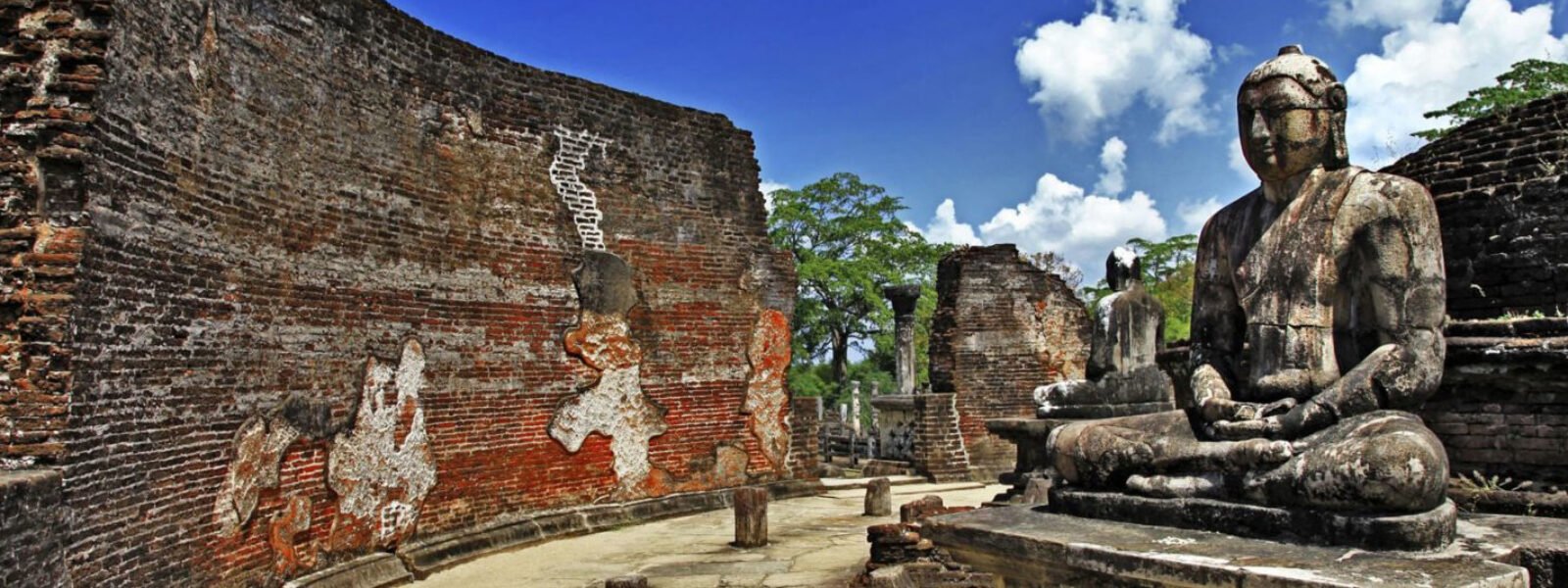
Polonnaruwa, Sri Lanka’s medieval capital, is a UNESCO World Heritage Site that showcases the island’s rich history, art, and culture during its golden age. Established in the 11th century after the decline of Anuradhapura, Polonnaruwa became a hub of architectural brilliance and urban planning. The city is renowned for its impressive ruins, including the Royal Palace of King Parakramabahu, once a sprawling complex of over 1,000 rooms. The Gal Vihara, with its four colossal Buddha statues carved from a single granite rock, is considered a masterpiece of Sinhalese artistry and devotion. Other highlights include the Lankatilaka Temple, Thuparama Image House, and the Parakrama Samudraya—a vast man-made reservoir that reflects the advanced irrigation skills of the era. Unlike Anuradhapura, Polonnaruwa is more compact and easier to explore, making it a favorite for cycling tours. Wandering through its ancient streets, travelers can imagine the grandeur of a city that was once bustling with monks, kings, and merchants. Today, Polonnaruwa blends history with natural beauty, surrounded by lakes, paddy fields, and wildlife. For those seeking a journey into Sri Lanka’s medieval past, Polonnaruwa offers a stunning glimpse of resilience, creativity, and timeless heritage.